Shape Young Minds. Build Bright Futures.
If you’re passionate about working with children and want a meaningful, rewarding career, FTCC’s Early Childhood Education programs offer flexible options to help you start or grow your journey. Whether you’re entering child care, preparing to transfer, or stepping into leadership, we’re here to support your goals with stackable credentials, expert faculty, and real-world experience.
Choose Your Pathway
Choose between an
Associate in Applied Science or Certificate
Associate in Applied Science (AAS) Degrees
General Early
Childhood
Education
Program Code: A55220G
Best For: Students who want to work in child care or preschool settings
Goal: Direct‑to‑work in licensed child care or NC Pre‑K
Early Childhood
B-K Licensure
Transfer
Program Code: A55220B
Best For: Students planning to teach in public school Pre‑K classrooms
Goal: Transfer to a bachelor’s program leading to B‑K licensure
Early Childhood Non-Teaching Licensure Transfer
Program Code: A55220C
Best For: Students pursuing leadership or non‑classroom roles
Goal: Transfer to a bachelor’s in Early Childhood or Human Development
Certificate Options
* All certificates are stackable. Many courses apply toward the AAS degree.
Child Care
Development
Program Code: C55220C2
Best For: First-time students; meets NCECC
Focus Areas: Intro to child care, guidance, family & community
Child Care
Professional
Program Code: C55220C3
Best For: Workers seeking deeper development knowledge
Focus Areas: Child development, environments, communication
Special
Education
Program Code: C55220C7
Best For: Those interested in inclusion & diverse learners
Focus Areas: Child development, exceptional children, diversity
Early Childhood
Administration
Program Code: C55850
Best For: Current workers aiming to become directors
Focus Areas: Licensing, budgeting, center operations & supervision
Early Childhood
Preschool
Program Code: C55860
Best For: Preschool-focused workers
Focus Areas: Preschool curriculum, language/literacy, and child
guidance
Infant/Toddler
Care
Program Code: C55290
Best For: Infant room teachers or caregivers
Focus Areas: Development, responsive caregiving, infant environments
Program Highlights & Field Experience
Program Facts
- Program Length: Certificates (1–2 semesters); AAS (4 semesters)
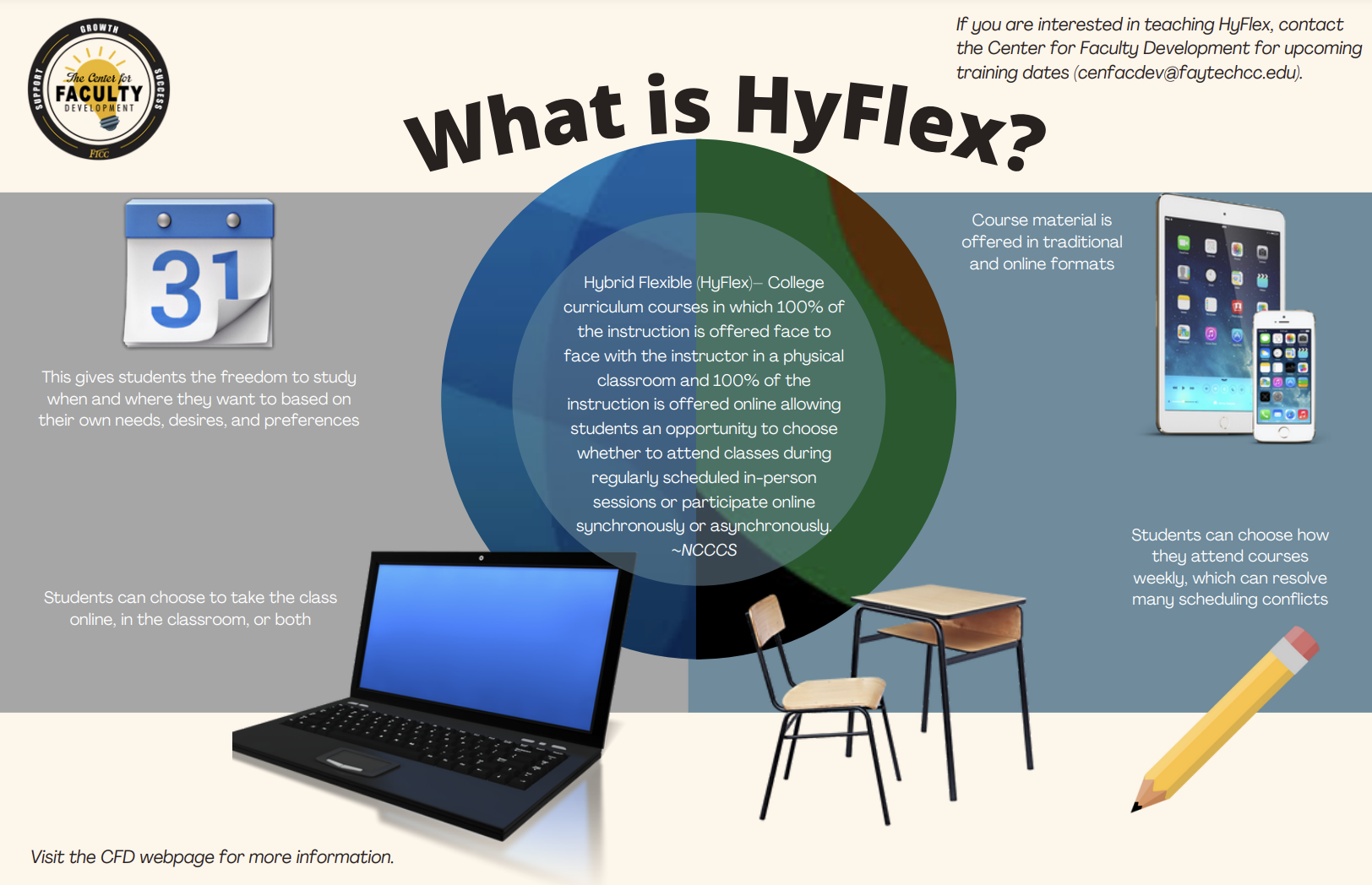
- Format: Online, in‑person, hybrid
- Location: Main Campus & Online
- Outcome: Immediate employment or university transfer
Field Experience
While many Early Childhood Education courses are available online or hybrid, students are still required to complete in‑person observation hours in a licensed child care setting.

Frequently Asked Questions
Do I have to complete in-person hours if I’m taking my EDU classes online?
Yes. Many EDU courses—online or in‑person—require field experience in a licensed center. These experiences are essential for hands‑on learning.
Can FTCC help me find a center to complete observation hours?
Students are responsible for finding their own placement in a licensed child care center. FTCC does not place students or endorse specific sites.
We do share a list of local centers that have offered to host students in the past, but it’s up to you to contact the center, complete any required paperwork, and secure approval. If your course includes observations, your instructor will let you know and guide you on next steps.
What if I’m new to child care?
No problem. Many students start without prior experience. We’ll walk with you every step of the way.
How many hours are required?
It varies by course. Some may require a few hours, while practicum courses (like EDU 284) require more. Your instructor will explain what’s expected.
Will I need a background check?
Yes. All licensed child care centers require a background check before allowing students to complete observations or practicum hours. It is the student’s responsibility to follow the center’s process and submit any required forms, tests, or documentation. These requirements and any associated costs are determined by the center you choose for your placement.
Are you Ready to Take the Next Step?
Or Contact: